Guides, engineering, and growth.
Practical writing on email authentication, short links, QR and DNS. English and Arabic. Off-topic archives are not listed here.
FEATURED • مميز

Analytics Retention: 30 vs 90 vs 365 Days
The privacy and cost trade-offs of keeping click history.

API Keys vs OAuth Tokens: When to Use Which
The trade-offs for machine and human access to your API.

Why Your Click Counts Are Wrong (and How to Fix Them)
Bot filtering, crawlers and pre-fetch — what a real click actually is.

Build a URL Shortener in 100 Lines
A minimal, safe shortener you can understand end to end.
ALL ARTICLES • جميع المقالات · 72
Analytics Retention: 30 vs 90 vs 365 Days
The privacy and cost trade-offs of keeping click history.
API Keys vs OAuth Tokens: When to Use Which
The trade-offs for machine and human access to your API.
Why Your Click Counts Are Wrong (and How to Fix Them)
Bot filtering, crawlers and pre-fetch — what a real click actually is.
Build a URL Shortener in 100 Lines
A minimal, safe shortener you can understand end to end.

Custom Domains for Short Links: DNS, TLS and SPF
Run branded short links on your own domain without breaking email.

DKIM Alignment: Why 'Signing' Isn't Enough
The difference between signing and being aligned for DMARC.

Migrate DMARC: Monitor to Quarantine to Reject
A safe, staged path to enforce DMARC without breaking legitimate mail — monitor first, then quarantine, then reject, guided by evidence.

Why POST Needs Idempotency Keys
Prevent duplicate links and charges with a real example.
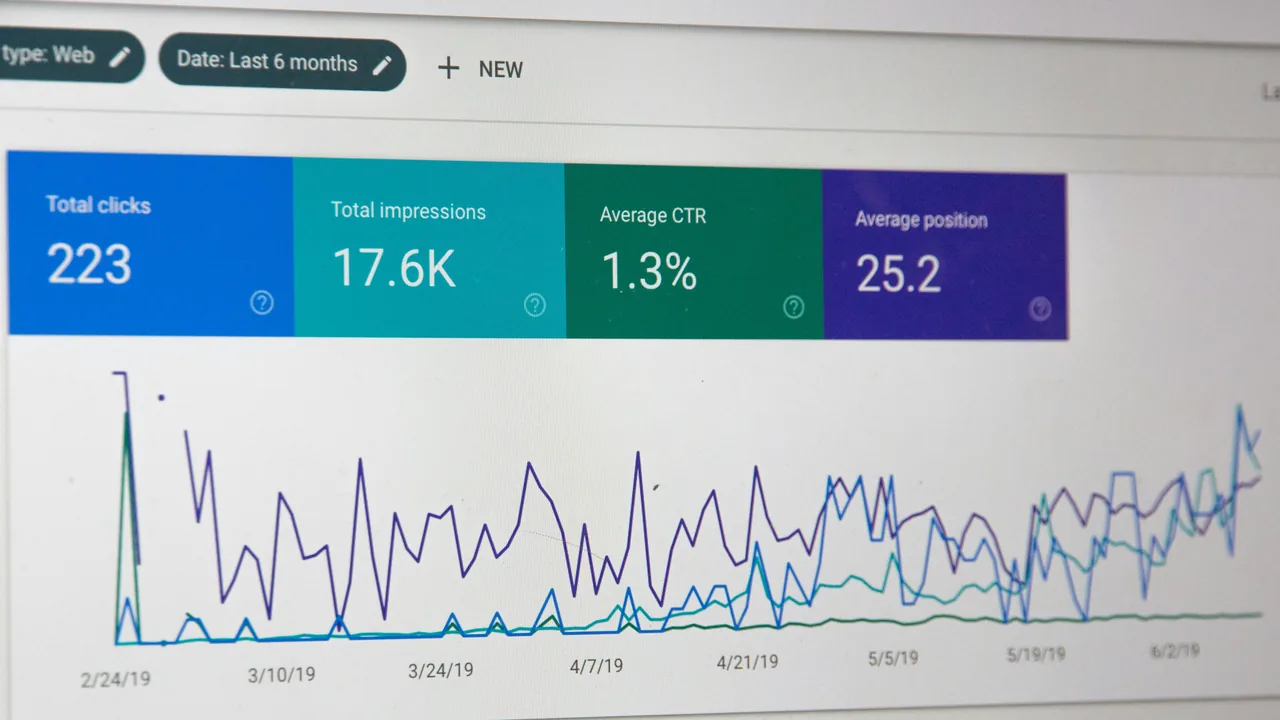
How to A/B Test Short Links Without Buying Software
Run destination split tests with the tools you already have — no paid platform required.

How to Prevent Link Rot on Your Blog
Canonical tags, redirects and monitoring that keep old links alive.

Migrate 1,000 Links Without Losing Analytics History
A repeatable CSV + redirect strategy that keeps your click data.
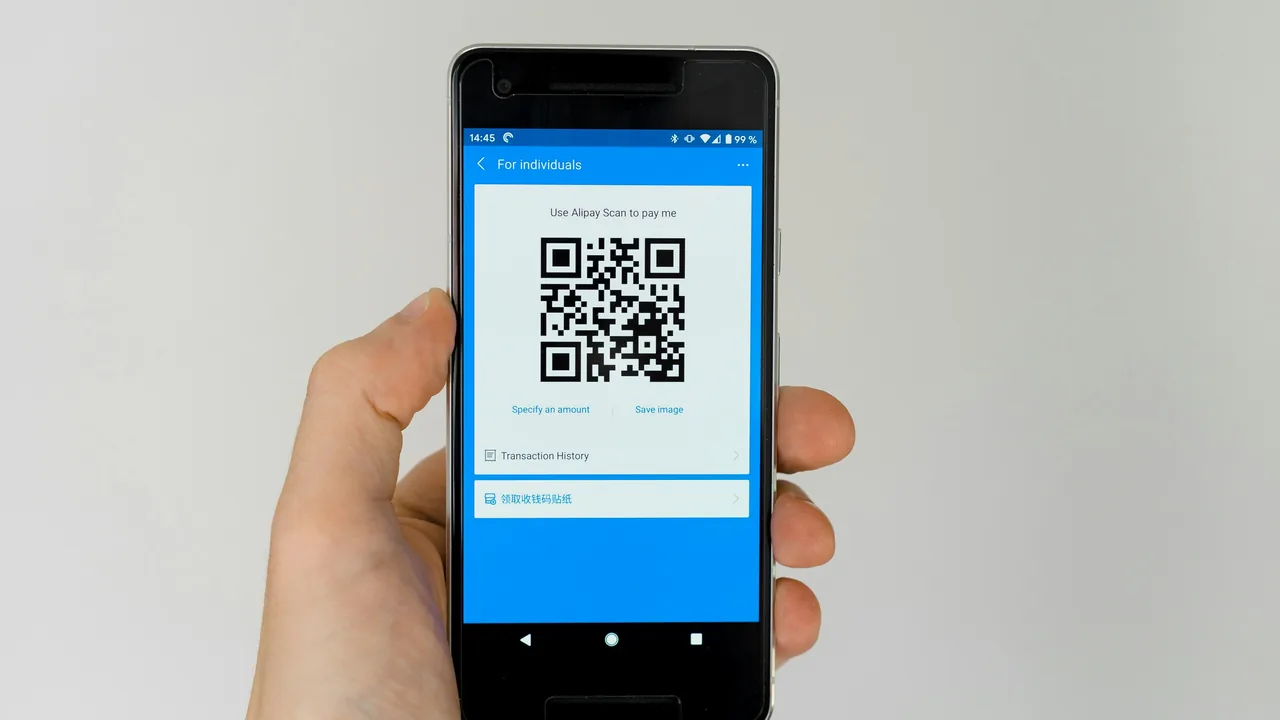
Dynamic vs Static QR: The Cost That Actually Matters
When a dynamic QR is worth it and when a static one is fine.

QR Code Security: The 'Quishing' Risks
What to check before you scan, and what platform owners must do.

QR Codes on Print: Size, Contrast and Error Correction
Design QR that scan reliably on paper, signs and packaging.

Rate Limiting: Token Bucket vs Sliding Window
The algorithms behind per-IP and per-user throttles.

301 vs 302 vs 307: A Decision Guide for Link Builders
When each redirect preserves SEO or analytics — and when it doesn't.

Referral vs Campaign vs UTM Traffic: What Tells You Real ROI
Disentangle traffic sources so you can attribute spend correctly.
SPF: The Most Commonly Broken Email Record
Why most SPF records fail — too many lookups, missing 'all', wrong includes — and how to read a policy check to fix them.

UTM Naming Convention: The System That Keeps Analytics Clean
A copy-paste taxonomy for utm_source/medium/campaign that survives team handoffs.

Webhook Security: Signatures, Retries and Replay
How to verify webhooks so a forged event can't change state.
Branded Short Links in Email: Deliverability That Converts
Why generic shortener domains hurt your email deliverability, how branded links pass SPF/DKIM checks with flying colors, and the click-through math that proves it.

Cron Expressions Demystified: A Field-by-Field Guide
Every cron field explained with examples, the five rules that trip everyone up (day-of-month vs day-of-week, timezones, DST), and a parser that computes the next runs.
DNS Lookups for Debugging: A, AAAA, MX, TXT & More
A field guide to DNS record types and the queries that debug them — A, AAAA, CNAME, MX, TXT, NS, SOA — with real output shapes and TTL reading.

Email Authentication 101: SPF, DMARC & DKIM Explained
What SPF, DKIM and DMARC actually do, how to read your DNS records like a mail security engineer, and the exact commands to verify all three.
MTA-STS & DANE: Hardening SMTP Transport Security
How MTA-STS and DANE protect email in transit from downgrade attacks, what each one needs in DNS, and how to verify a policy end-to-end.
MX Health Checks: Diagnose Email Delivery Before It Hurts
How to read MX records, test port 25 reachability, detect null MX and duplicate priorities, and build a mail-delivery check that runs before customers complain.
Password Strength: Entropy, Crack Times & What 'Secure' Means
What password entropy actually measures, why 'Tr0ub4dor&3' beats 'correct horse battery staple' in some threat models, and how to evaluate a password in seconds.
Short Codes & Aliases: Slug Best Practices That Scale
How to design short-link slugs that are short enough to type, safe to share, and semantic enough to build trust — with the rules that keep them collision-free.
TLS Certificate Health: Expiry, SANs, HSTS & OCSP
The 8 checks every TLS deployment should pass — expiry runway, SAN coverage, chain depth, protocol, cipher, OCSP stapling and HSTS — with a tool that runs them all.
What Is My IP: ASN, Geo & VPN Detection Explained
Your public IP is a data package: address, ASN, ISP, city and timezone. Here's what each field means, how IP geolocation works, and how VPNs change the picture.

Illustrative Example: Dynamic QR Check-in for a Hypothetical Events Company
A hypothetical walkthrough of using dynamic QR codes for event check-in. Illustrative only — it does not describe a real customer, and all figures and quotes are hypothetical.

URL Shortening Explained: Architecture, Trade-offs, and Best Practices
How modern URL shorteners generate codes, handle redirects, and scale to millions of links — with API examples, security checks, and performance budgets.

UTM Campaign Guide: A Naming Taxonomy That Scales Across Teams
Stop arguing about utm_source. A practical UTM taxonomy — source, medium, campaign, term, content — with templates and automation that scale from 1 to 100 campaigns.

Illustrative Example: Password-Gated Client Links for a Hypothetical Agency
A hypothetical walkthrough of replacing email attachments with password-protected, expiring links for a fictitious agency. Illustrative only — all figures and quotes are hypothetical.

Illustrative Example: Standardizing UTM for a Hypothetical E-commerce Team
A hypothetical walkthrough of standardizing UTM hygiene and print QR analytics for a fictitious e-commerce team. Illustrative only — all figures and quotes are hypothetical.

Link Analytics Explained: From Raw Clicks to Decisions You Can Trust
What click analytics actually measure, why raw counts lie, and how bot filtering, referrers, devices, and daily series turn clicks into decisions.

Password-Protected Links: Share Client Decks Without Leaks
When and how to use password gates for sensitive links — threat model, bcrypt hashing, POST-based gates, rate limiting, and expiry.

API Keys Best Practices: Scopes, Rotation, and Secrets Hygiene
How to design API keys that survive production: prefixes, hashed storage, scopes, rotation, revocation, and monitoring.

Custom Domains Setup: go.yourbrand.com in Five Minutes
Exact DNS records, TLS, and verification for branded short domains — plus migration, troubleshooting, and measurement.

Link Expiration Strategy: Time Limits, Click Limits, and Self-Destructing URLs
When to expire links by time, by clicks, or not at all — with status-code semantics, renewal workflows, and API patterns.

QR Codes for Business: Static vs Dynamic, Print Quality, and Scan Analytics
How businesses use QR codes on packaging, menus, posters, and events — static vs dynamic, print specs that scan, and how to measure scans.

Bio Pages and Conversion: Turning One Link Into a Landing Experience
Why link-in-bio pages outperform single links, how to structure them for conversion, and how every block stays measurable.

Branded Links Build Trust: Why Vanity Domains Convert Better
How branded short domains like go.yourbrand.com increase click-through and trust — with the data, the psychology, and the 5-minute setup.

Custom Aliases and SEO: Branded Short Links That Rank and Convert
How custom aliases build brand recognition, earn trust, and support SEO — with naming rules, redirect semantics, and measurement.

OpenAPI & SDK Guide: From Spec to Working Client
How to consume the OpenAPI 3.1 specification — generate clients, write requests by hand, and keep integrations in sync.

Teams & Permissions: Running Link Infrastructure With Guardrails
Role separation, API key scoping, and review workflows for teams sharing one link platform — without stepping on each other.

Bulk Link Creation with CSV: Import Hundreds of Links Safely
How to create links in bulk from CSV exports — rate limits, idempotency, alias collisions, and verification patterns.

Organizing Links at Scale: A Workflow That Survives Growth
How to structure links so they stay findable at 1,000 and 10,000 — naming conventions, tagging, search, and CSV review cycles.

Dynamic vs Static QR Codes: The Deep Technical Comparison
Encoding, error correction, data capacity, and the operational difference between static and dynamic QR codes — with decision rules.

QR Logo Overlay: Branding Without Breaking Scans
How to embed a logo in a QR code safely — size, error correction, placement, and testing rules that keep scan rates high.

Redirect 301 vs 302: The Decision Guide for Links, SEO, and Analytics
When to use 301 vs 302 for short links, domain moves, and content changes — with caching semantics, SEO impact, and analytics consequences.
Analytics Retention: What to Keep, What to Drop, and for How Long
Click data retention policies — privacy, storage costs, and the practical retention windows for raw events vs daily rollups.

Rate Limits Explained: Budgets, Backoff, and Building on Them
How API rate limits work, what the budgets are, and how to build clients that respect them — 429 handling, backoff, and headroom.

Webhooks & Automation: Event-Driven Link Operations
Building event-driven automation around link infrastructure — Slack alerts, campaign triggers, and the patterns that make pipelines reliable.

A/B Testing Links: Testing Destinations, Copy, and Timing
How to run honest A/B tests with short links — test plans, traffic splits, sample sizes, and reading the results.

Conversion Tracking for Links: Clicks Are Inputs, Not Outcomes
How to track what happens after the click — UTM-to-conversion joins, destination-side events, and the metrics that matter.

Migrating From Bitly to yas.sh: The 4-Hour Playbook
Export, re-shorten, forward, verify — a step-by-step Bitly migration that doesn't break campaigns, QR codes, or analytics history.

Migrating From Short.io to yas.sh: Domains, Links, and Automation
A step-by-step Short.io migration: exporting links and domains, re-creating branded links, and moving automation without downtime.

الروابط ذات العلامة التجارية والثقة: كيف تزيد النطاقات معدلات النقر
لماذا تزيد الروابط ذات العلامة التجارية الثقة والنقر والتسليم.

الأسماء المخصصة وتحسين محركات البحث: روابط علامتك التجارية
لماذا تحسن الأسماء المخصصة العلامة التجارية والتذكر وتحسين البحث.

دومين خاص بيك للينكات: اربطه في 5 دقايق
إزاي تربط دومين أو سب دومين بيك بـ ياس.ش عشان لينكات براندد: الخطوات، سجلات DNS المطلوبة، والغلطات اللي لازم تتجنبها.

أمان الإيميل في الشغل: نصائح عملية من غير تعقيد
التحقق بخطوتين، التصيد الاحتيالي، النطاقات الوهمية، وسجلات DNS — خطة أمان إيميل عملية للشركات الصغيرة والمتوسطة في مصر.

تحليلات اللينكات: اعرف مين ضغط وامتى ومنين
شرح عملي لتحليلات اللينكات القصيرة: الضغطات، البلاد، الأجهزة، المصادر، وخريطة النشاط — وإزاي تقرأها عشان تظبط حملاتك.

شرح تحليلات الروابط: من النقرة إلى الرؤية
ما الذي تتابعه تحليلات الروابط — فلترة الروبوتات والجغرافيا والجهاز والمحيل.

إدارة اللينكات في التيم: أورجانيزة من غير وجع دماغ
إزاي تظبط إدارة اللينكات القصيرة في فريق العمل: تسمية موحدة، مجلدات، صلاحيات، وأرشفة — عشان مفيش حد يلاقي نفسه ضايع في 500 لينك.
الإيميل واقف؟ اعمل شيك على الـ MX الأول
إزاي تشخّص مشاكل وصول الإيميل بنفسك: سجلات MX، فحص بورت 25، الـ Null MX، وأسباب الإيميل اللي 'بيعمل مشكلة من غير سبب'.

الباسورد بتاعك سهل؟ خليه صعب في 5 خطوات
ليه 'P@ssw0rd123' بايظ رغم شكله المعقد، وإزاي تعمل باسورد قوي فعلًا — مع أداة بتقيس قوة أي باسورد في ثانية.

الـ QR كود في مصر: إزاي تعمل واحد للمحل بتاعك
دليل عملي للـ QR كود لأصحاب المحلات والبيزنسات الصغيرة في مصر: ديناميكي ولا ستاتيك، إزاي تطبعه على الفلاير، وإزاي تعدل الرابط وراه بعد الطباعة.

اللينكات القصيرة في الشغل: ليه ضروري وبتحوش فلوس
ليه أي بيزنس محتاج مختصر لينكات خاص بيه: تتبع الكليكات، اللينكات البراندد اللي بتزود الثقة، والتقارير اللي بتاخد قراراتك من حدس لبيانات.

إيميل شركتك بيترمي في سباتر؟ ابدأ من SPF و DMARC
شرح بسيط بالعامية المصرية لـ SPF و DKIM و DMARC: هما إيه، بيعملوا إيه، وإزاي تتأكد إن إيميلات شركتك مش بتترمي في سباتر.

شرح تقصير الروابط: البنية والمفاضلات وأفضل الممارسات
كيف تُنشئ مختصرات الروابط الرموز وتتعامل مع إعادة التوجيه على نطاق الملايين.

الآيبي بتاعي إيه؟ اعرف عنوانك والـ VPN في دقيقة
إزاي تعرف الآيبي بتاعك وإيه المعلومات اللي بيقولها عنك: الـ ASN والمدينة والمزود، وإزاي الـ VPN بيغيّر الصورة.
O blogu YAS.SH
Blog pokrýva rovnaké územie ako nástroje: DNS a e-mailovú autentifikáciu, TLS a certifikáty, mechaniku odkazov, dátové formáty a prevádzkové detaily, ktoré rozhodujú, či integrácia obstojí v produkcii. Články sú písané tak, aby sa dali prečítať raz a neskôr sa k nim vracať, preto začínajú mechanizmom a spôsobmi zlyhania, nie úvodom do témy.
Ak článok vysvetľuje niečo, čo nástroj na tejto stránke vykonáva, odkazuje naň — a nástroj odkazuje späť. Čítanie a použitie sú tak vzdialené jeden krok.
Čo tu nájdete
Výklady protokolov
Ako sa skutočne vyhodnocujú SPF, DKIM, DMARC, MTA-STS, DNSSEC a DANE vrátane limitov a chybových stavov spôsobujúcich reálne výpadky.
Prevádzkové príručky
Životný cyklus certifikátov, migrácie DNS, zahrievanie doručiteľnosti a poradie krokov, ktoré predchádza samovoľnému incidentu.
Detaily formátov a kódovania
Tie časti JSON, CSV, kódovania URL a znakových sád, ktoré sa správajú inak, než väčšina ľudí predpokladá.
Rozbor bežných chýb
Prečo zlyhá konfigurácia, ktorá vyzerá správne — písané od príznaku späť k príčine.
Často kladené otázky
Ako často pribúda nový obsah?
Nepravidelne a podľa témy, nie podľa rozvrhu. Články vychádzajú, keď je čo konkrétne zdokumentovať, čo udržiava archív užitočný namiesto veľkého.
Aktualizujú sa články pri zmene štandardov?
Vecné chyby opravujeme priamo a podstatné aktualizácie označujeme. Správanie protokolov sa mení zriedka, platnosti certifikátov a politiky poskytovateľov áno.
Kto obsah píše?
Tím, ktorý platformu stavia a prevádzkuje. Autorstvo a redakčný prístup sú zdokumentované na stránkach Redakčná politika a Autori.